Irish Culture and Heritage
Celtic Symbols
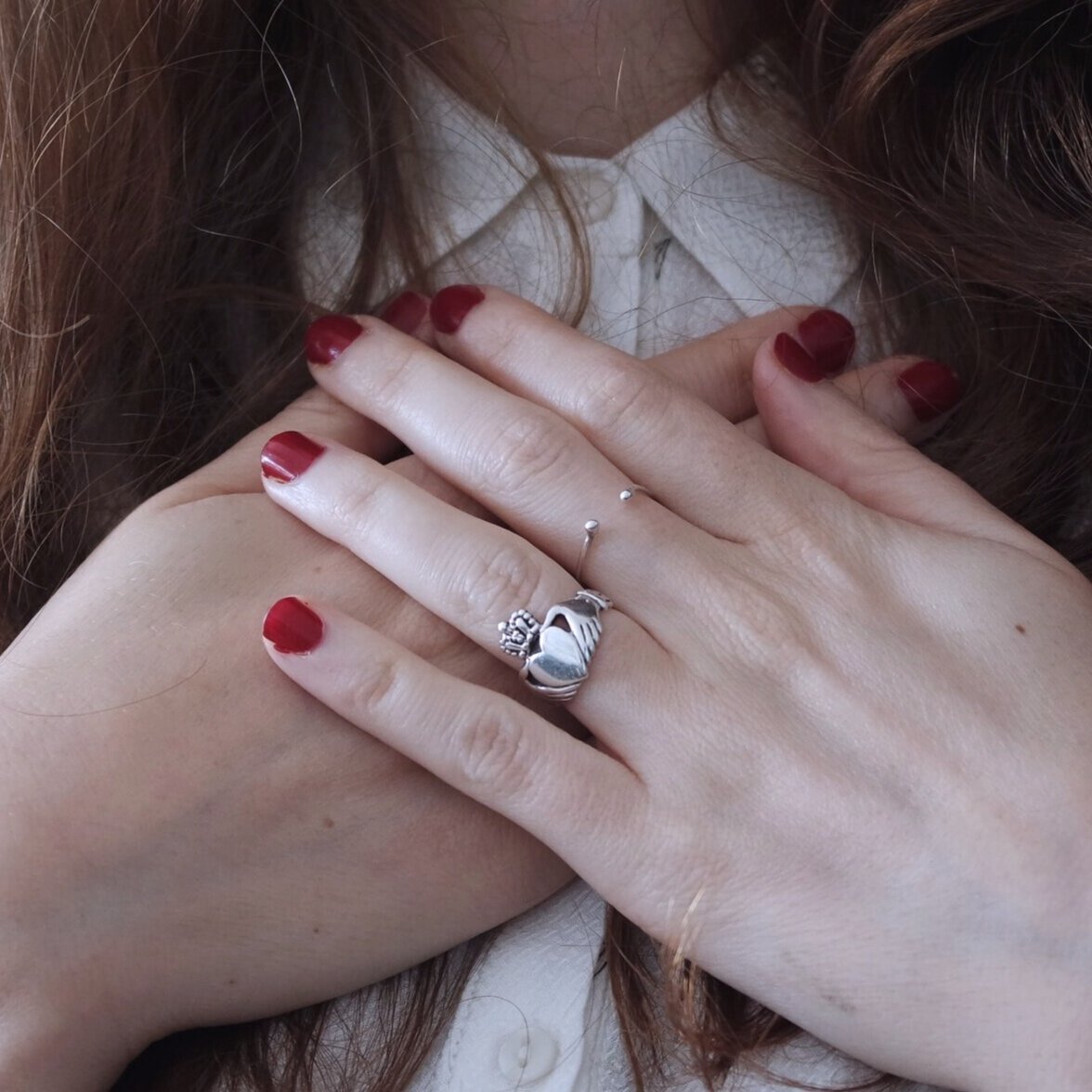
The Claddagh
This ring first appeared in the seventeenth century and is linked to the small coastal village of Claddagh in County Galway. It symbolises love, friendship and loyalty. A single person would wear the ring on the right hand with the point of the heart facing away. When in a relationship, the heart faces inward, signalling that their heart belongs to someone. When engaged, the ring is worn on the left hand with the point of the heart facing outwards and when married, the ring is turned around so the heart is facing inwards. Another interpretation is ‘I give you my heart and crown it with my love’.
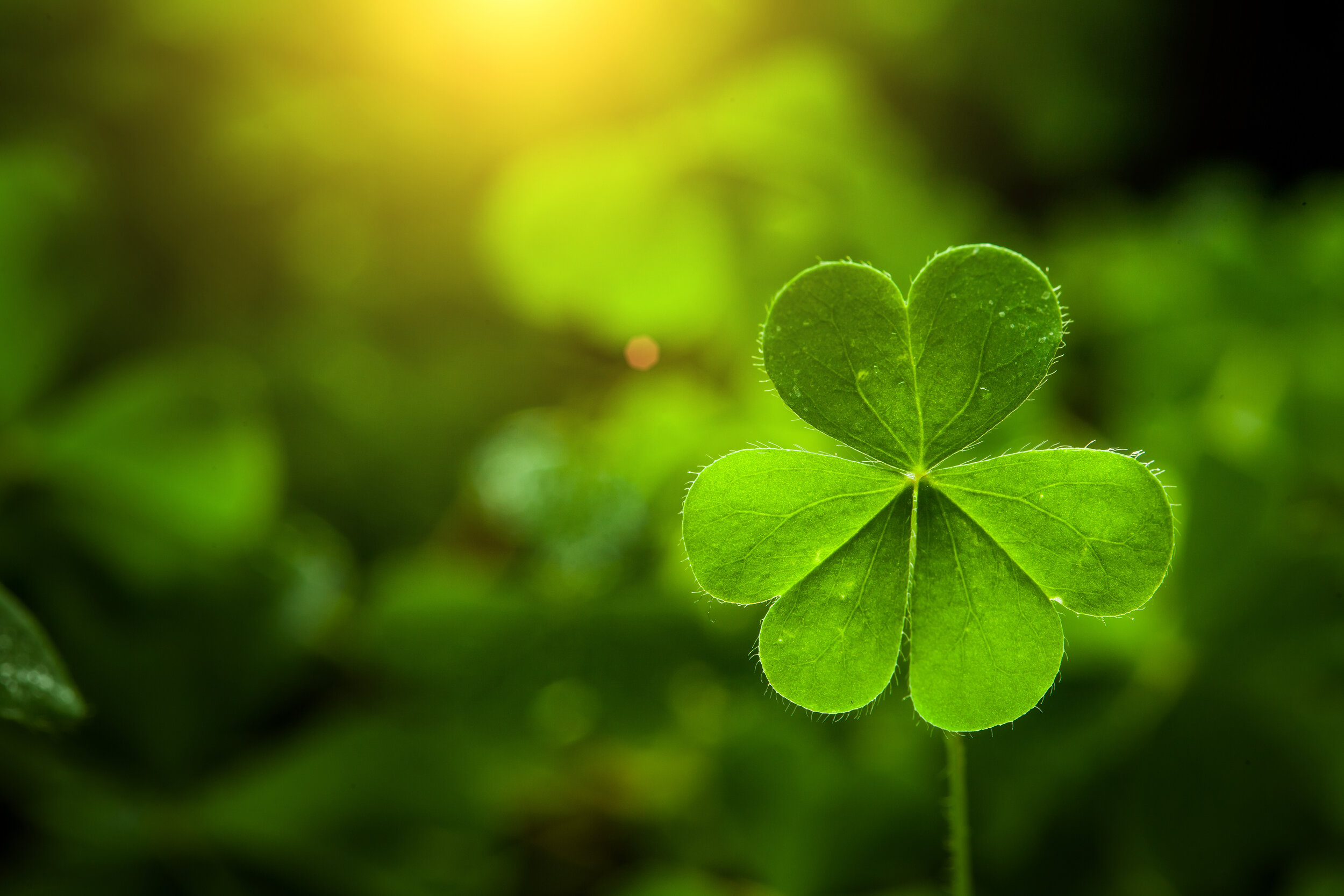
The Shamrock
St Patrick, patron saint of Ireland, is said to have used the shamrock to teach about the Holy Trinity in Christianity in the fifth century. The shamrock also became associated with Ireland’s struggle for independence from Britain in the nineteenth century. It was featured on flags and uniforms worn by Volunteers at that time. By law, the symbol of the shamrock may only be used for goods and services of Irish origin and must be approved by the Irish government.
The Harp
The earliest recording of a harp as a symbol was found on Christian stone crosses dating from the eighth century. The harp features on the Coat of Arms for Ireland. It is the only country in the world to have a musical instrument as its national emblem.

The Celtic Cross
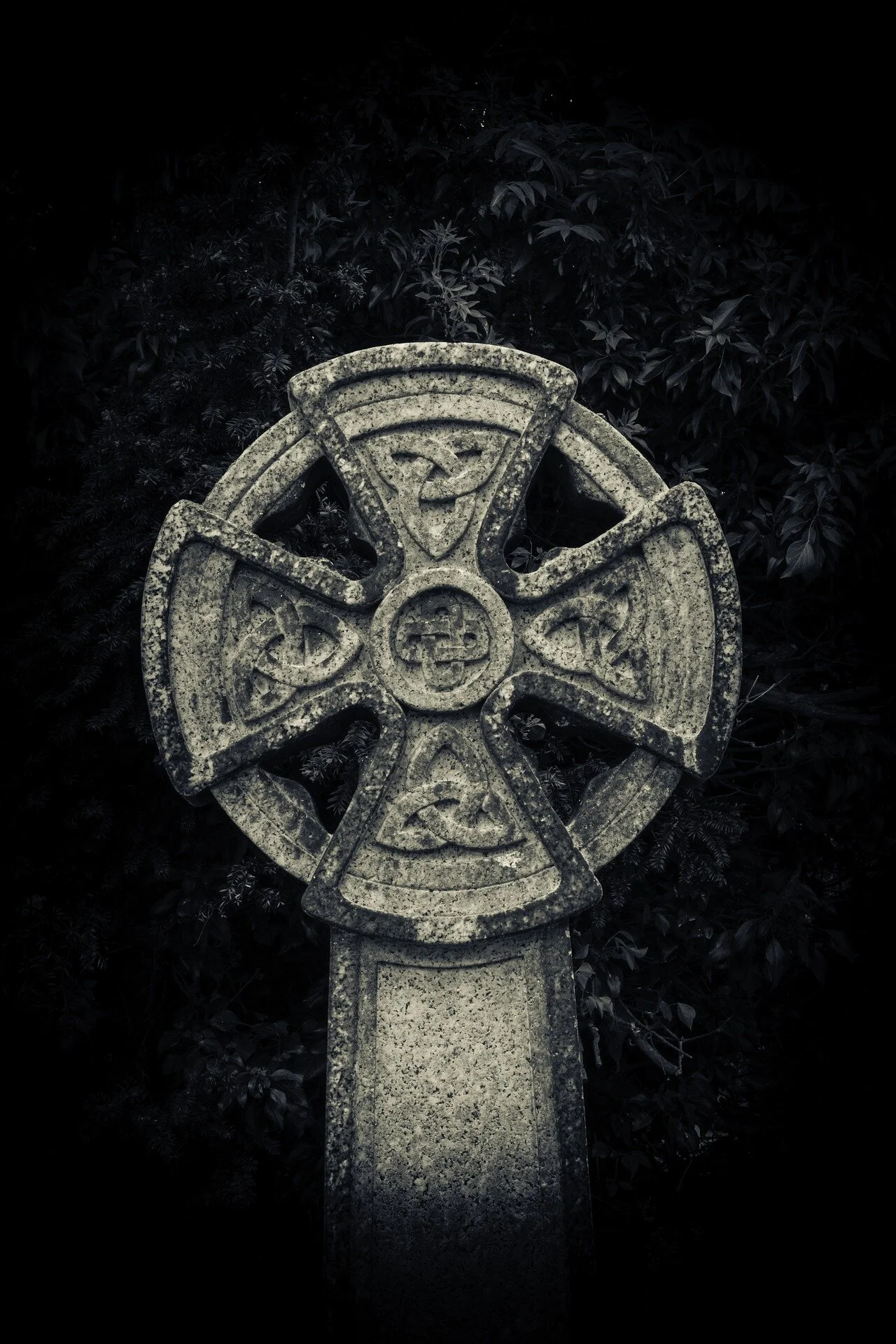
The Celtic cross is a well recognised symbol of Christianity. The cross first appeared in the fifth century derived from a pagan sun symbol. The cross is often decorated with knot and spiral motifs representing the continuity of life, death and rebirth.
The Celtic Knot
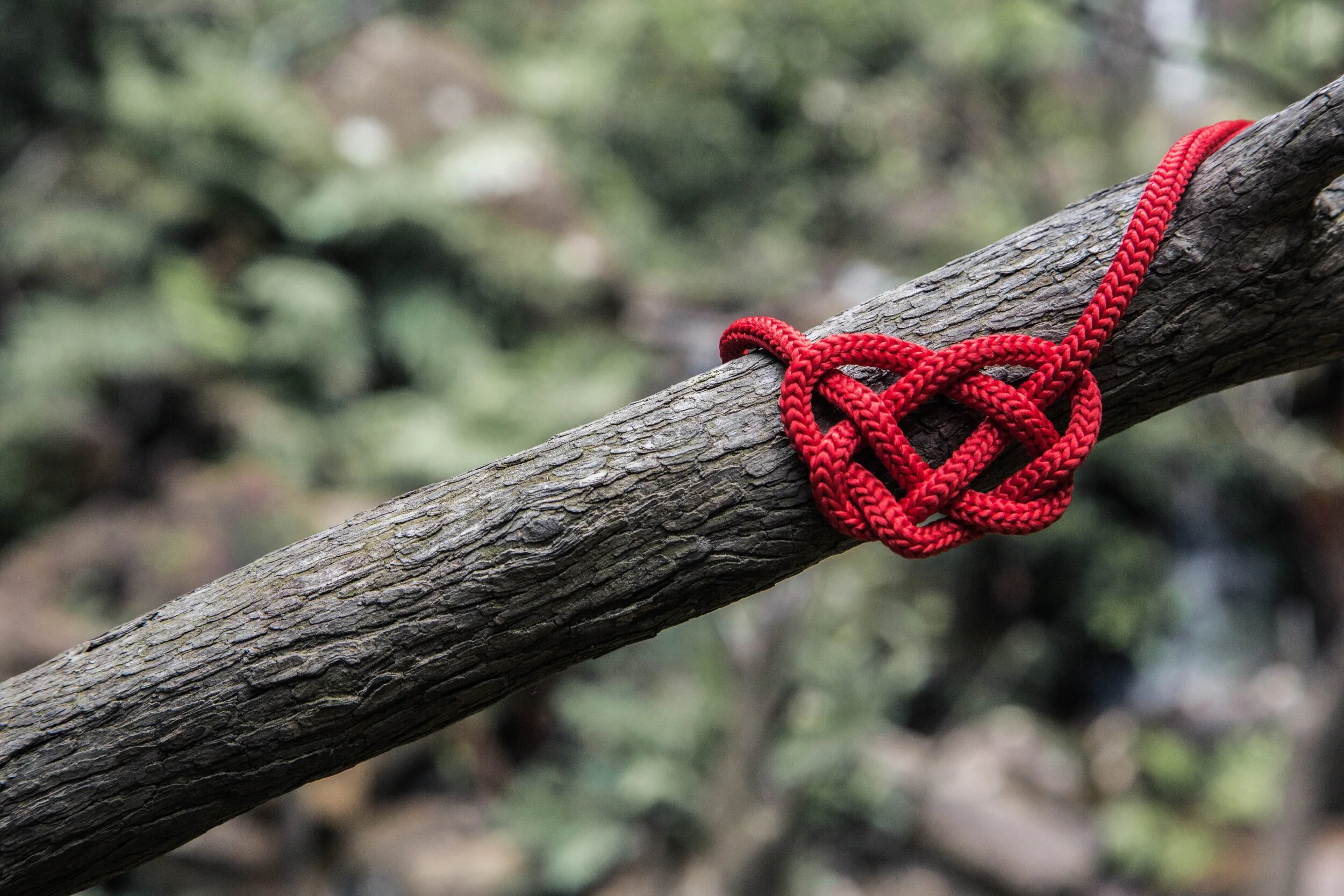
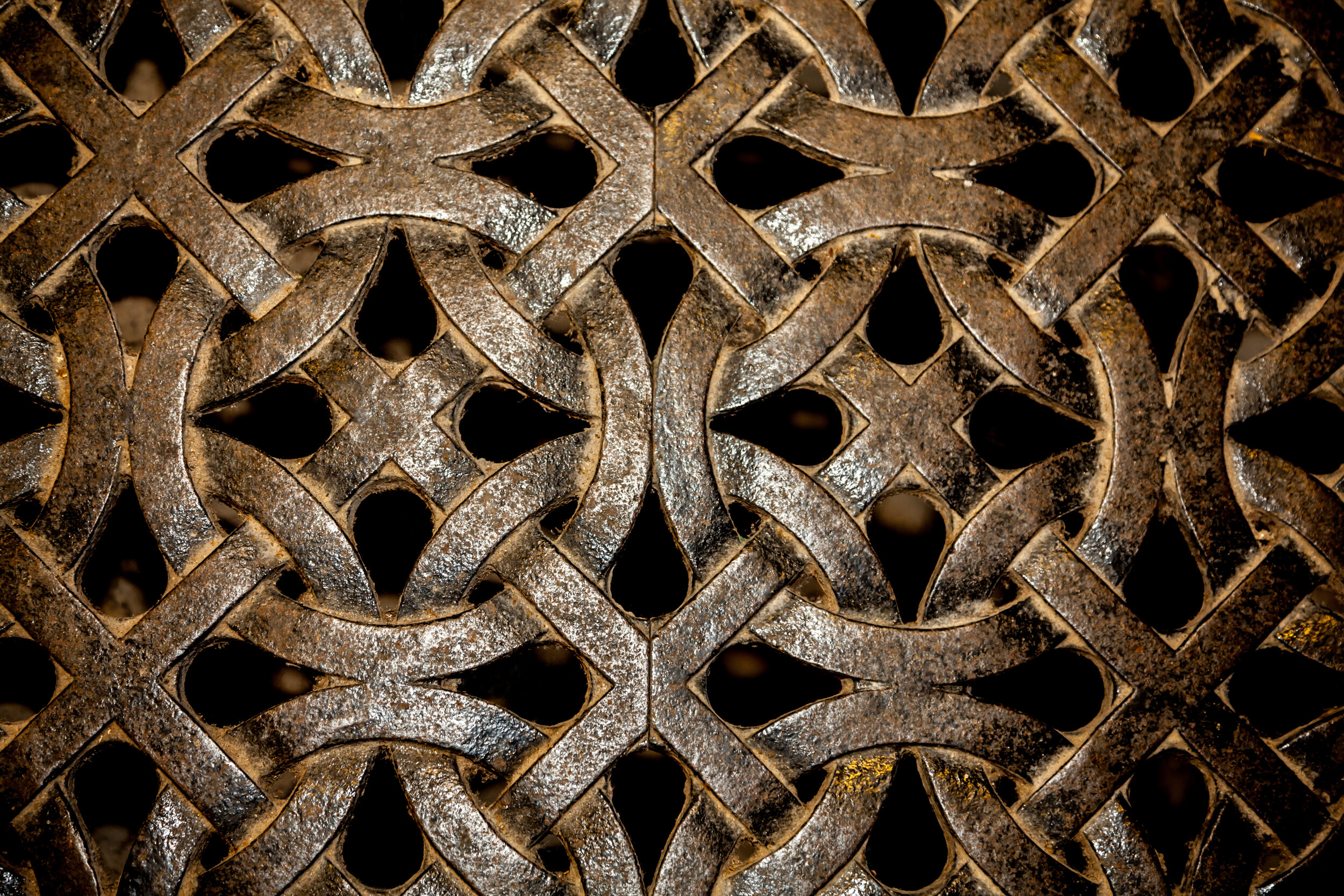
Celtic knots have long been associated with Celtic history. Typically, they are complete loops that have no beginning and no end, representing the interconnectedness of loyalty, faith, friendship and love. Jewellery featuring a Celtic knot is often given as a gift to wish someone a long life and a good luck.
The Celtic Ogham
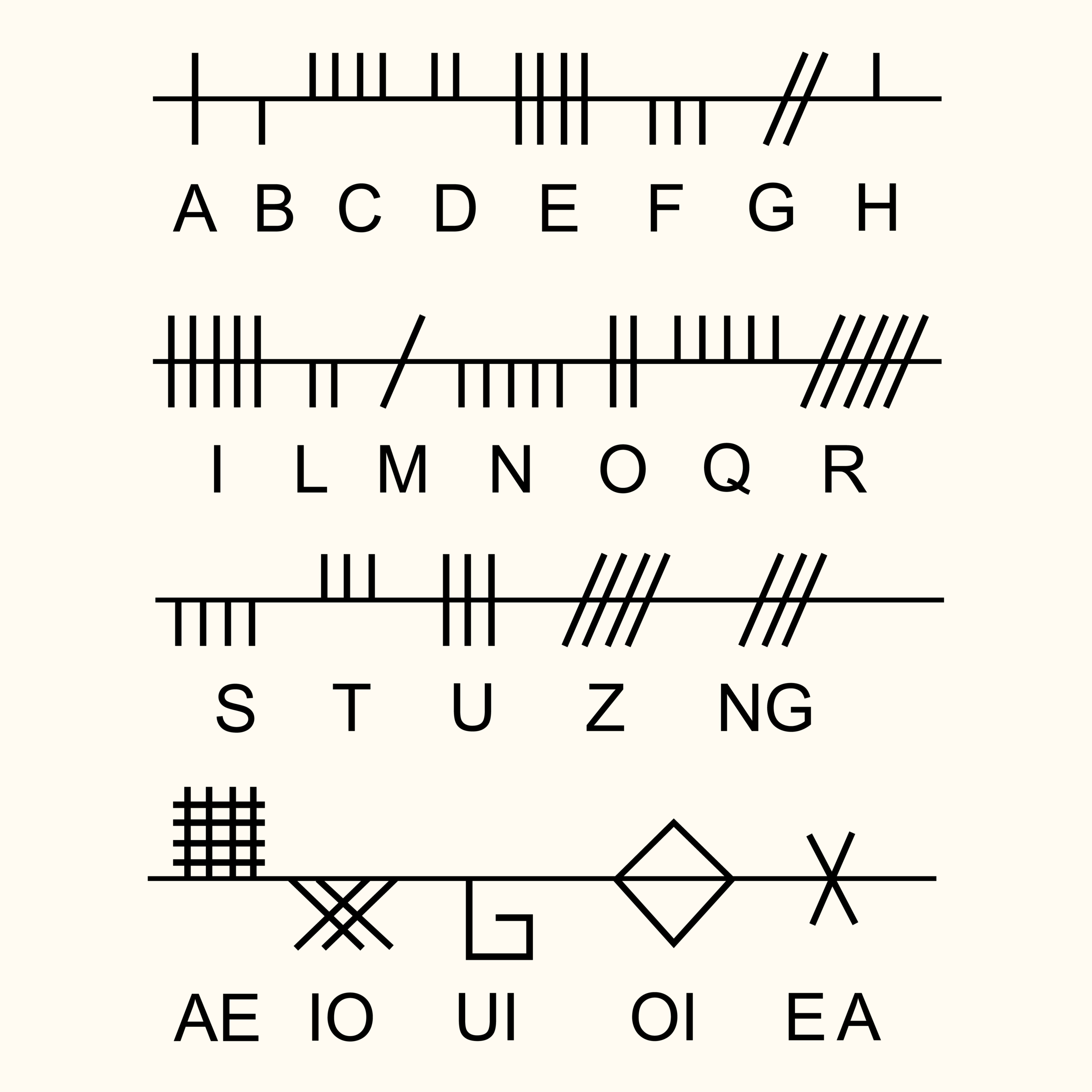
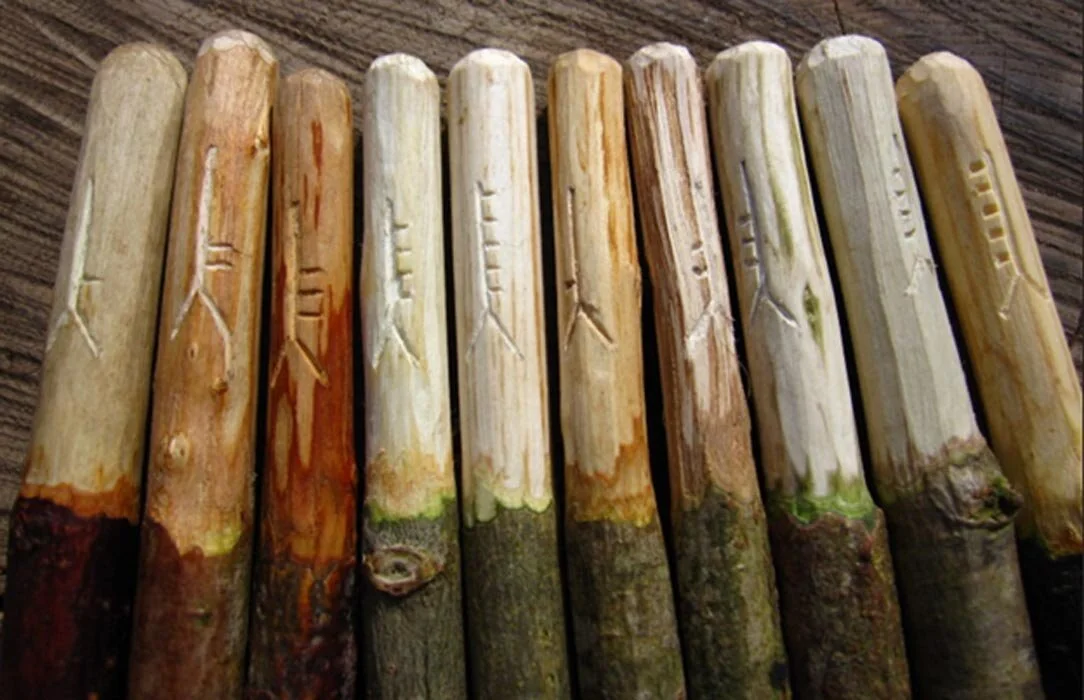
A writing system using horizontal or slanting slits cut into stone or wood to represent twenty letters of the Ogham alphabet.
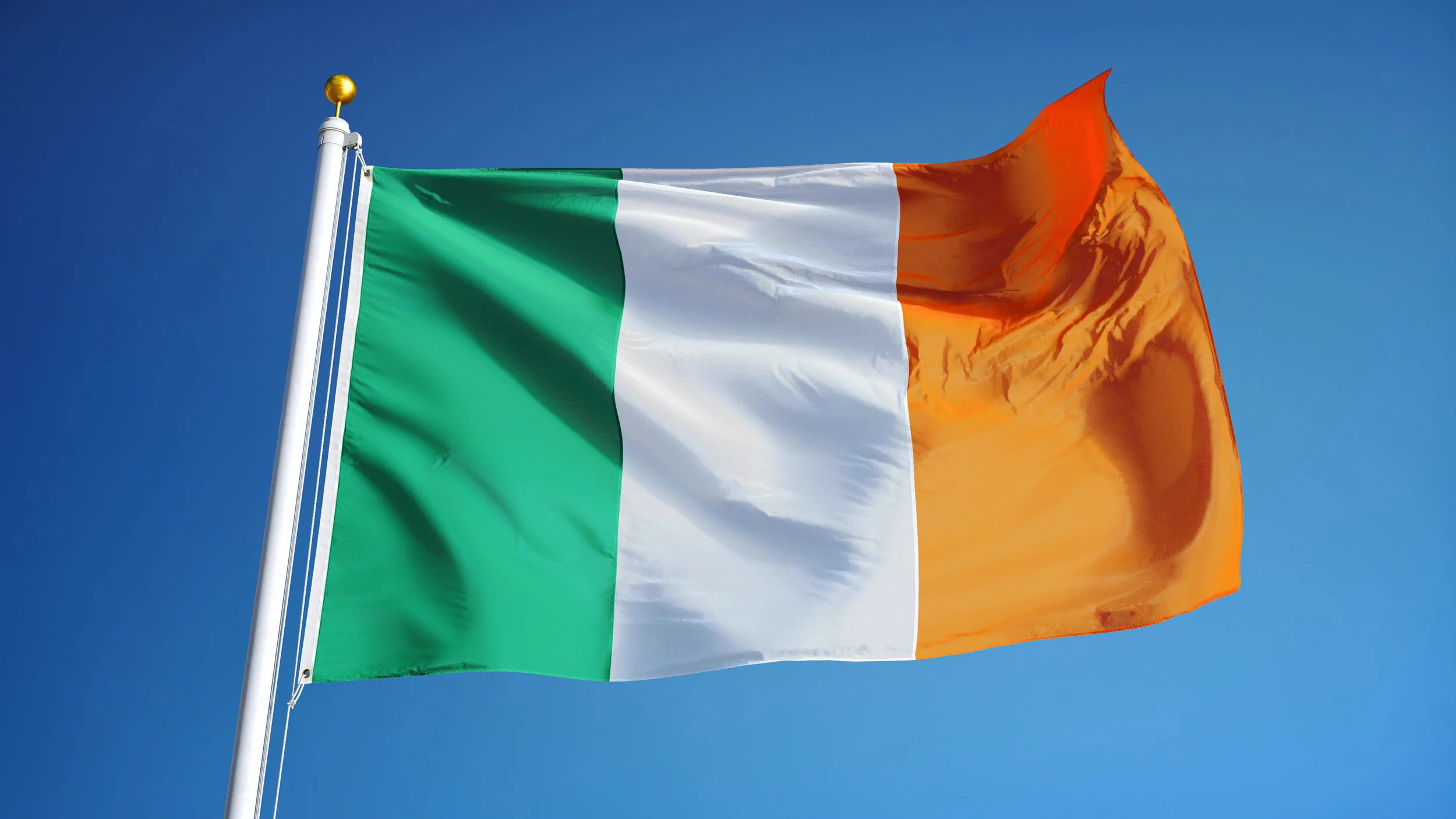
Irish flag
The tricolour flag (Bratach na hEireann) was first flown in 1848. It consists of three stripes – green, white and orange. It was designed by Thomas Meagher. The green signifies a religious group – Catholics. The orange signifies another religious group – Protestants. The white, in the middle, represents hope and peace between them. The flag is a symbol of Irish pride and remains an important reminder of the peace achieved in recent times.