
Newgrange and the Winter Solstice
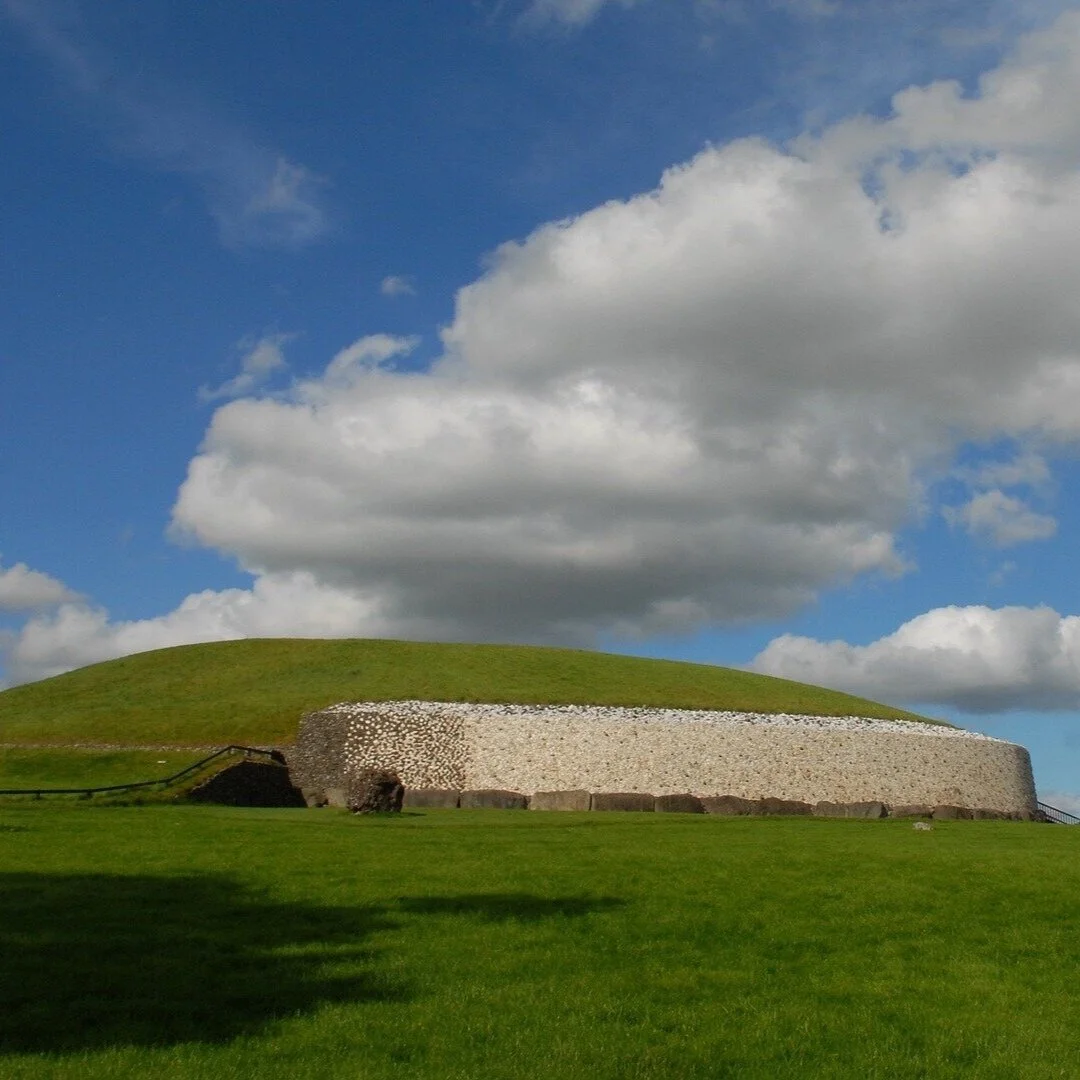
5,000 years ago in Ancient Ireland, the Newgrange passage tomb was built. During the Winter Solstice, the rising sun lights up the interior of the tomb.
30,000 people from around the world enter a lottery to win one of the rare opportunities to be inside to see the event in person.
Entries for Winter Solstice 2020 opened on 1st January 2020.
What is Newgrange?
Newgrange is a Neolithic passage tomb. At over 5,000 years old, it’s estimated to be more than 600 years older than the Giza Pyramids in Egypt, and 1,000 years older than Stonehenge. It is a large circular mound containing a 19-metre passageway that leads to three chambers.
In 1993, Newgrange and its sister sites, Knowth and Dowth, were designated a World Heritage Site by UNESCO because of their outstanding cultural legacy.
Where is it?
It is about five miles west of Drogheda in County Meath. It is a central part of Ireland’s ancient East., located on the top of an elongated ridge within a large bend of the Boyne River. In fact, there are more than 30 monuments built along this bend in the river. Collectively, they are known as Brú na Bóinne - The Palace or Mansion of the Boyne.
The entire area has great significance in Irish history and folklore. Legend tells us the foundations of Christianity were laid here. About two miles downstream is a place called Oldbridge, where the Battle of the Boyne was fought in 1690.
What was it?
As always stories abound about its heritage. The three main ones are:
The Tuatha Dé Danann, who ruled Ireland in ancient mythology, were said to have erected Newgrange as a burial place for their chief, Dagda Mór, and his three sons.
It was the burial place of Lugh Lámhfada, (Lugh of the Long Arm) who was the spiritual father of the great mythical hero Cúchulainn.
It was the mansion to which Aengus (Oengus) brought the body of Diarmaid after his death on Ben Bulben so that he could "put an aeriel life into him so that he will talk to me every day."
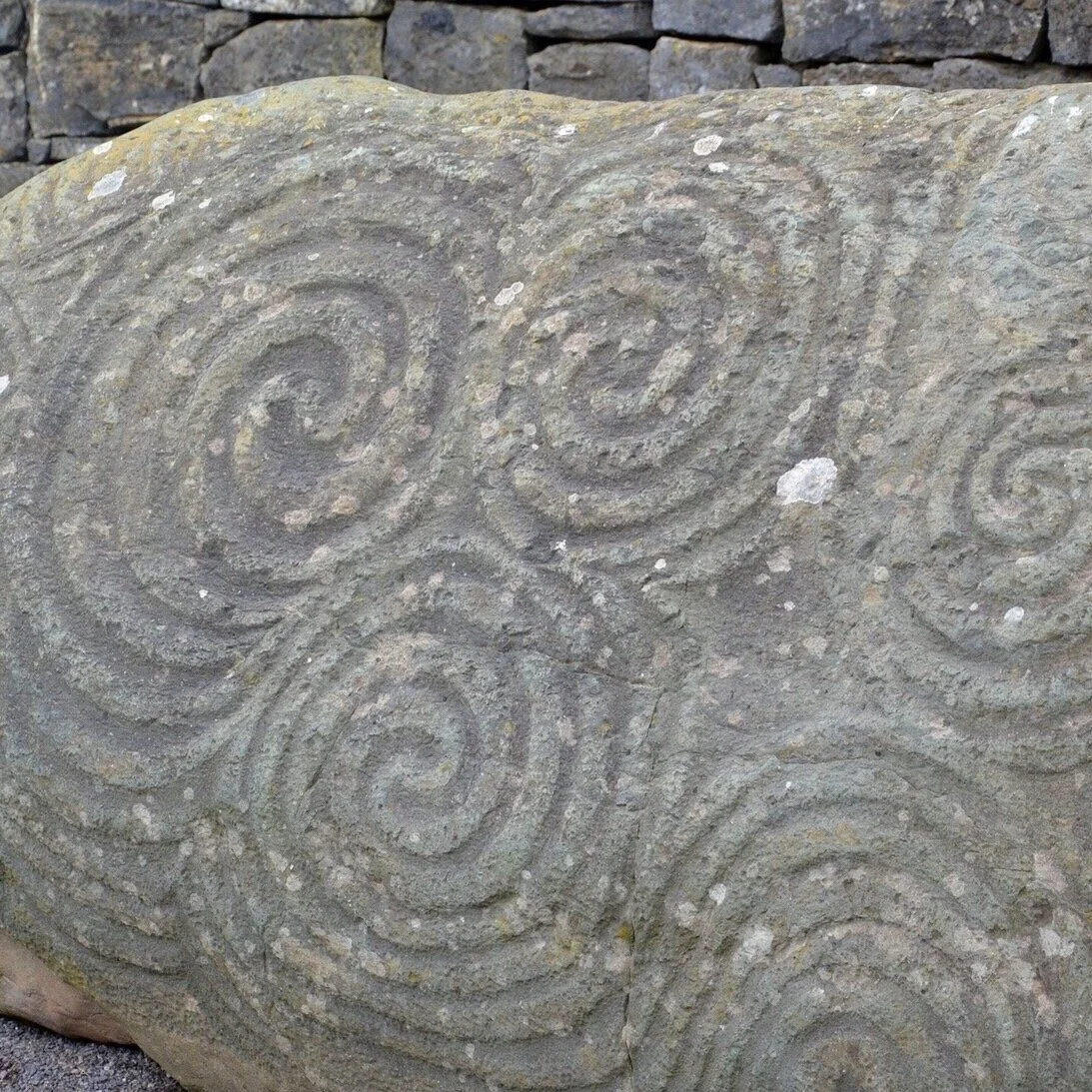
It was not always as pristine and impressive as today with ancient vandals carving their names into the large stones. Over time, land developments nearby led to the removal of stones from the site. However, every cloud has a silver lining and, whilst quarrying on the site in 1699, the tomb’s entrance was discovered.
What’s special about it?
It is very old.
The corbelled roof of the chamber is one of the finest of its kind in Europe. When Newgrange was excavated, it was found to be standing completely intact without any repair work needed - just exactly as it had done when first built.
Over 200,000 people visit the mound every year, making it the most visited archaeological monument in Ireland.
On the Winter Solstice, the light of the rising sun enters the rooftop at Newgrange and penetrates the passage, shining onto the floor of the inner chamber. The sunbeam illuminates the chamber for just 17 minutes.
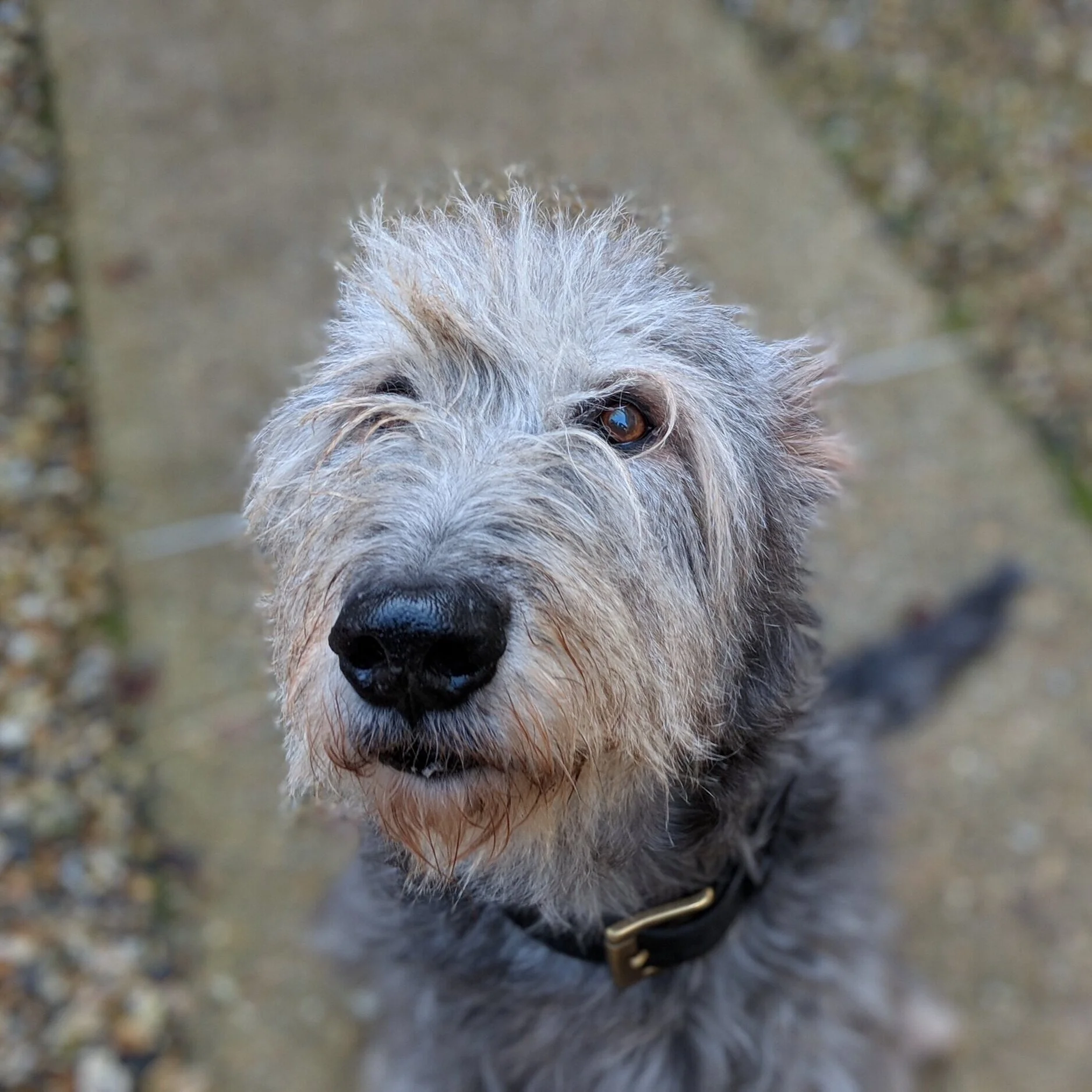
In 2017, Irish Wolfhounds made history when they returned to Newgrange for the solstice with the Irish Wolfhound Club of Ireland, to the place of their ancient ancestors and their association with mythical Cúchulainn. Wolfhounds also played their part in modern history such as the story of Ballyshannon, hero of WW1.
When visiting the Newgrange UNESCO World Heritage site, you can also take in the Hill of Tara, a celtic royal site, Monasterboice Round Tower and High Crosses, and the Hill of Slane where St. Patrick lit the Paschal Fire.
Fancy your chances?
To enter the lottery to be in the Newgrange chamber for Winter Solstice, you can fill out an application form when you visit Newgrange or email the visitor centre, brunaboinne@opw.ie, with your name, address, and telephone number and indicate whether or not you have ever visited Newgrange.
The draw will take place in September by children from three local schools. Of course, there is no guarantee that there will be sunlight in the chamber on any of the mornings, an the event is totally weather dependent! Well, it is Ireland after all!