
Irish Culture and Heritage
Pilgrimage And The Sacred Wells Of Ireland
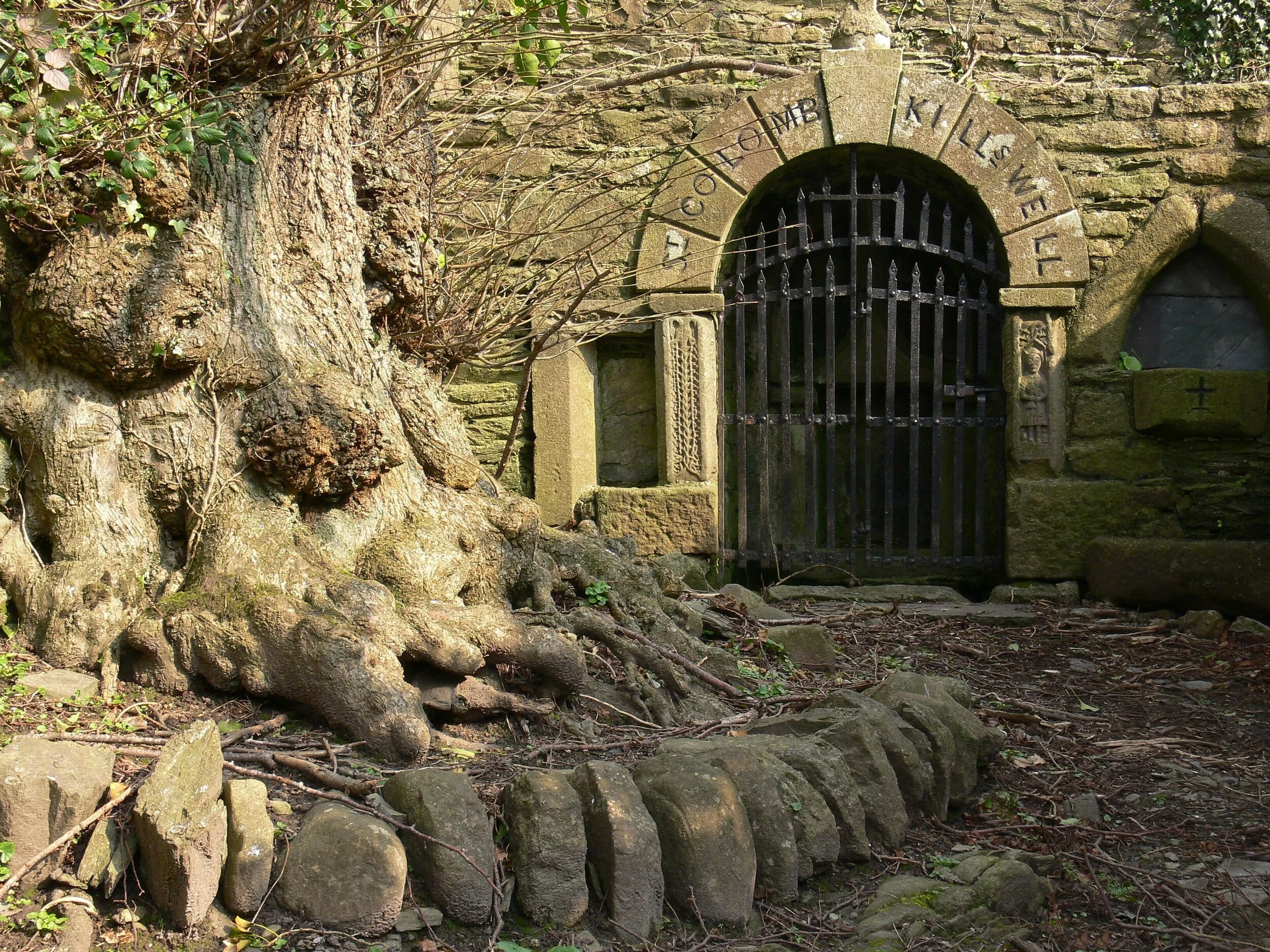
Image: st. colombkill's well
For hundreds of years Ireland has been a destination for Christians from around the world. Many make pilgrimage for personal spiritual reasons, while others want to see the places where miracles or religious sightings happened. Whatever the reasons, pilgrimage offers people an opportunity to reflect and connect amidst the beautiful and peaceful landscapes of Ireland. Here are some of the most significant.
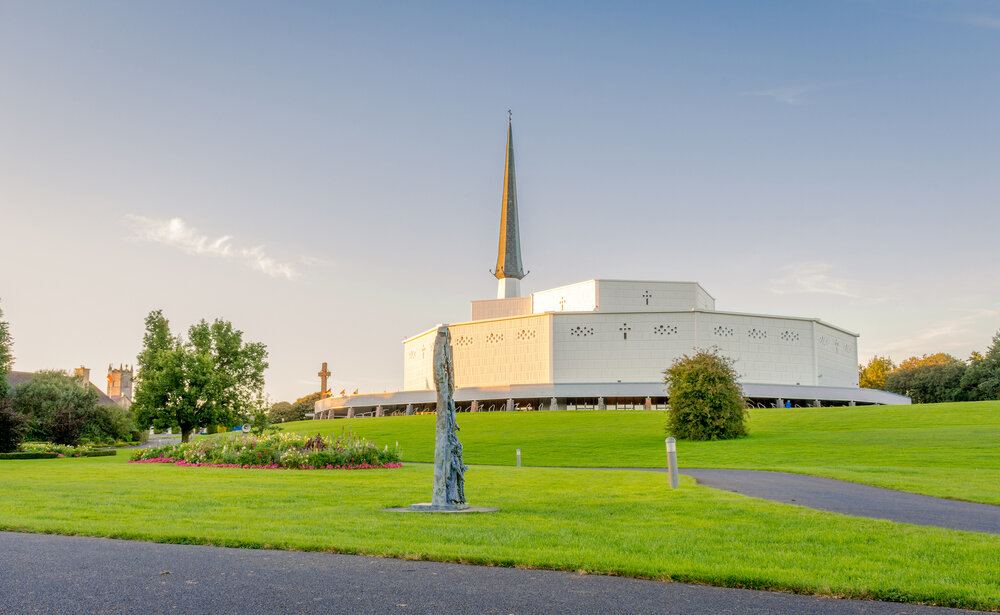
Image: Aviontourism.com
Croagh Patrick
A mountain situated in county Mayo is said to be the place where St Patrick fasted for forty days at its summit. The pilgrimage route to the top of the mountain is just over four miles and takes most of a day to climb up and back down again. People often pray on their journey to the top and many walk bare foot too. Thousands of people make the climb on the last Sunday of July, known as ‘The Reek’, to celebrate mass in honour of Ireland’s patron saint.
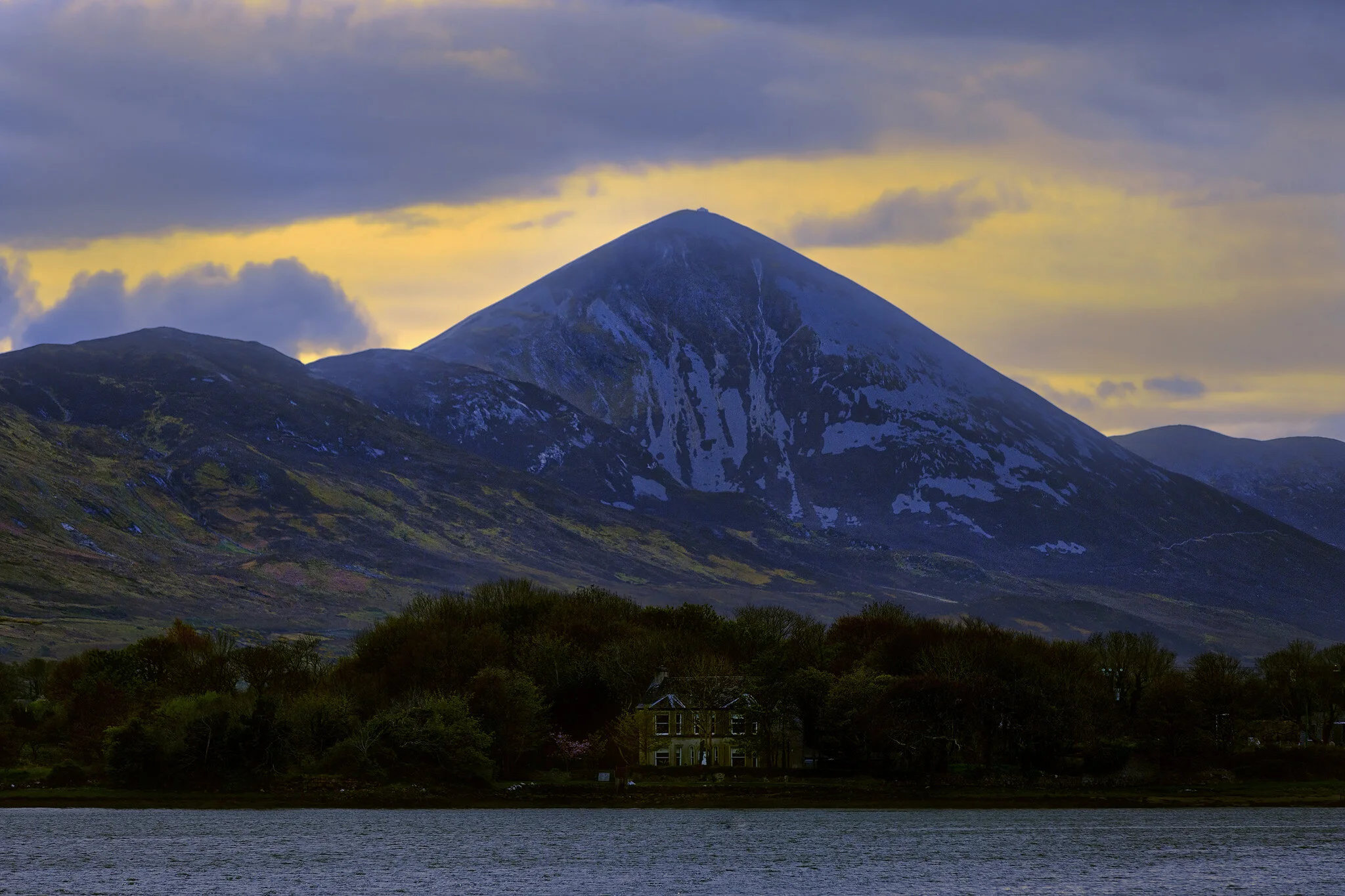
Image: Chris Hood/Flickr
Knock
In County Mayo there is a shrine dedicated to the Blessed Virgin Mary, Saint Joseph and Saint John. It is situated on the exact site where Mary and the saints appeared to a group of fifteen people in August 1879. The Knock pilgrimage season starts on the last Sunday in April and continues until the second Sunday in October. It is one of the most popular places of pilgrimage for Catholics from all over the world with around a million visitors each year.
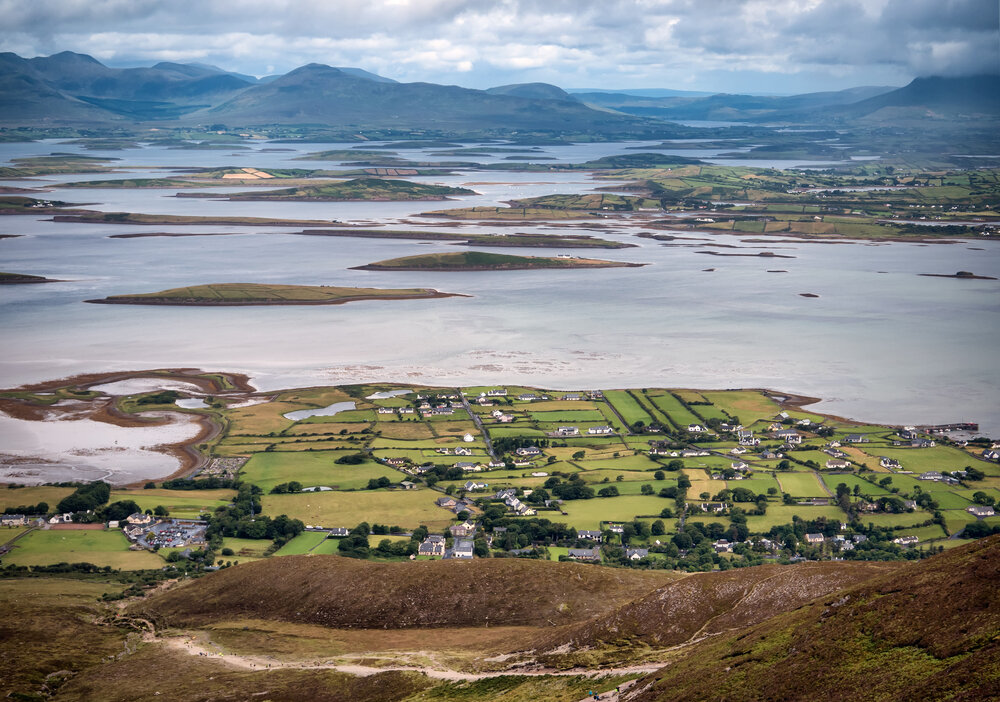
Image: aviontourism.com
Lough Derg
Lough Derg is a shrine dedicated to St Patrick. It is actually a small island in a lake in County Donegal. People on pilgrimage usually spend three days there walking in the spiritual footsteps of the saint along a seven miles path. It is a challenging journey in which pilgrims fast, go bare foot and sleep little in order to discover their inner strengths and resilience. It is said St Patrick killed a giant snake there and banished all snakes from Ireland.
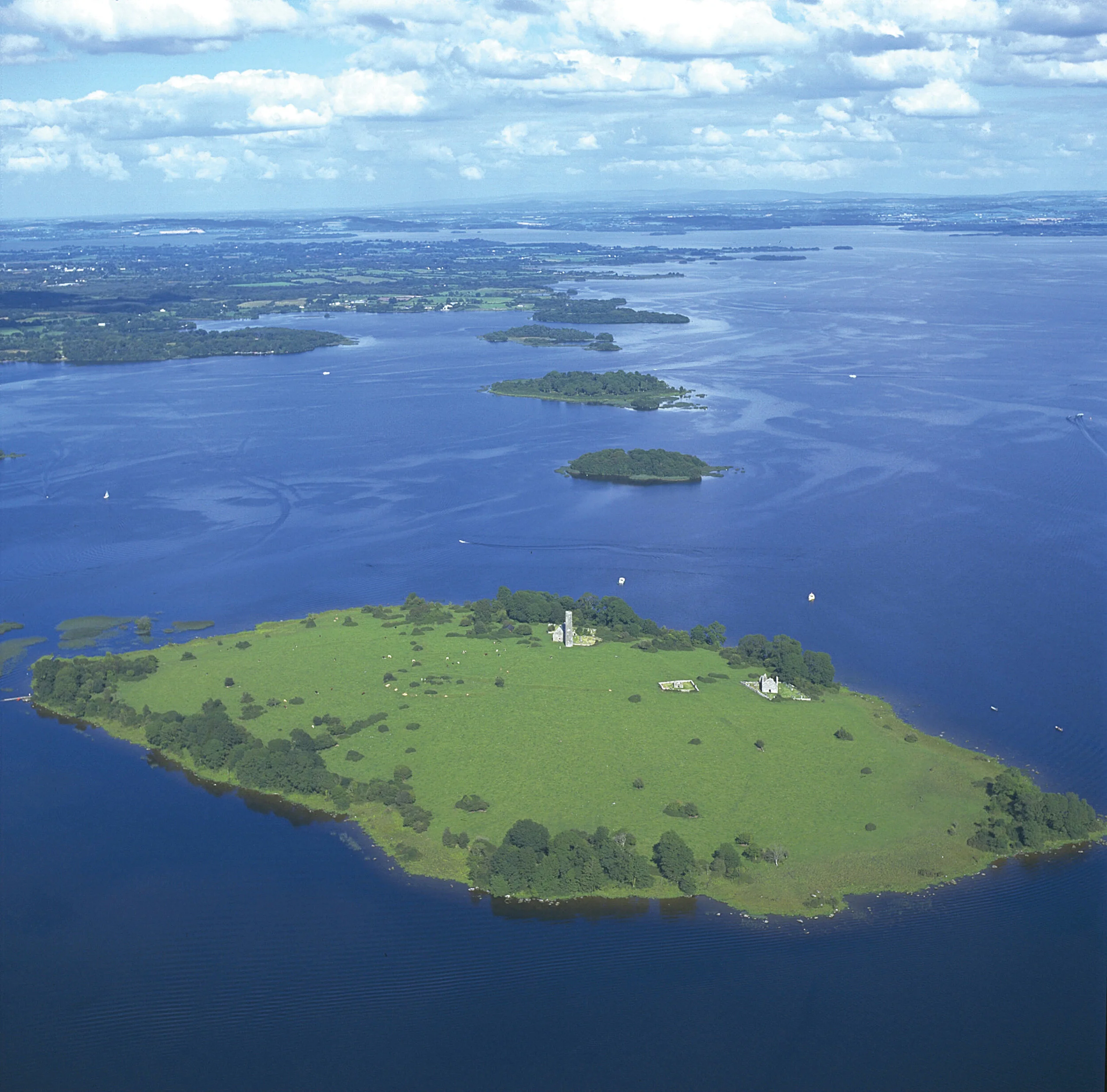
Image: discsoverloughderg.ie
St Brigid’s Way
Pilgrims follow St Brigid’s Way in County Louth, beginning at the Hill of Faughart. It is a popular walk in February to mark the saint’s day. Nearby is a church where it is said to hold a relic of the saint. Pilgrims carry with them a cross made from rushes and stop to pray at St Brigid’s stone which sits next to a holy well. You will also find the grave of Edward, brother of Robert the Bruce of Scotland, along the Way.
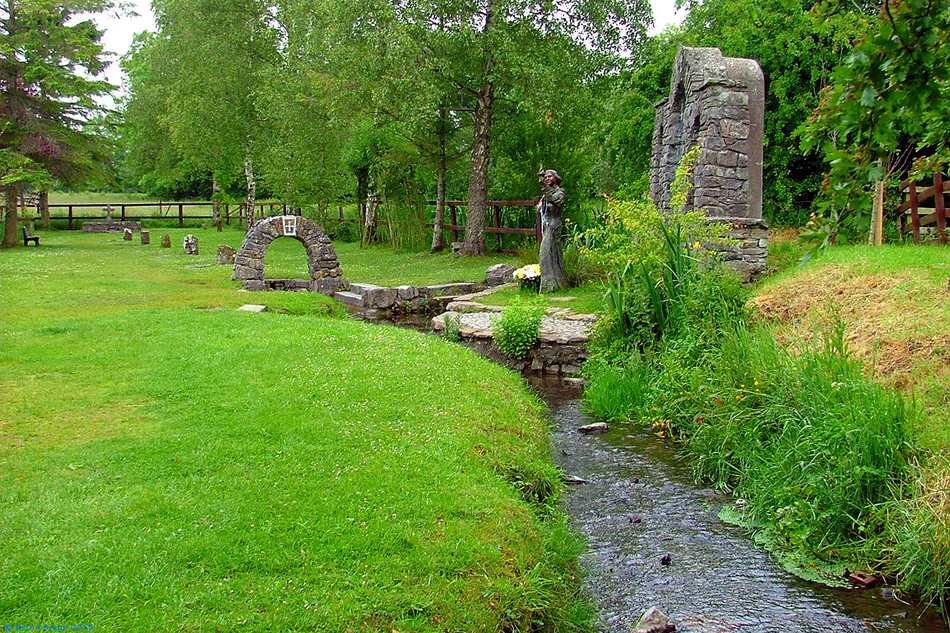
Image: Bernd Biege
Did you know?
Around Dublin there are about forty holy wells and around three thousand of these sacred wells in Ireland? These are sources of water, long revered for their life enhancing qualities, and are often found in quiet, peaceful places.
From prehistoric times, people gathered to worship at these wells and to thank the spirts for the gift of water. Many wells are attributed to St Patrick and St Brigid who are said to have baptised people using the pure water. You can easily recognise a holy well because it is usually marked with flowers, statues, beads or stones. Pieces of cloth are sometimes tied to a nearby tree to ward off evil. Sacred wells are often associated with ‘a cure’ for various ailments; people would make special pilgrimages for themselves or their loved ones to pray for a cure and take home some holy water in a keepsake bottle. Their healing qualities could be due to the rich natural minerals contained in the water,
The Irish word for well is ‘Tobar’ so if you find yourself near a place that begins or ends with derivations of this word you are likely to be in an area where there is a holy well. The locals are sure to know where it is. Take time to visit one; they are rare places of contemplation in our otherwise busy lives.
Don’t forget to take a little keepsake bottle with you to treasure those special moments.