Irish Dancing
Irish dancing is an expression of what it is to be Irish. It struts and bounces, it has energy and passion, but it also has form and a strict code. The basic steps are the same ones our great grandparents knew, the rigid upper body and flying feet are timeless. It’s fiercely competitive and judging is ruthless.
Where it begins
Dancing has been a formative influence in the lives of generations of Irish children starting at 4 or 5 years old, usually with ‘The 7 Steps’. Who didn’t have to perform those 7 steps for anyone or everyone who crossed the door? There were loud ‘tuts’ from distant aunts and uncles when the dancer set off on the wrong foot and, red-faced, had to start again! A wee sweet at the end of the performance usually took care of any tears.
Riverdance
When Riverdance took to the stage during the interval of the televised Eurovision Song Contest some 25 years ago, Irish dancing exploded onto the world stage. The purists railed against Michael Flatley – “look Ma his arms are moving,” but a whole new generation watched in wonder, and went out and bought some dancing shoes.
Special Shoes
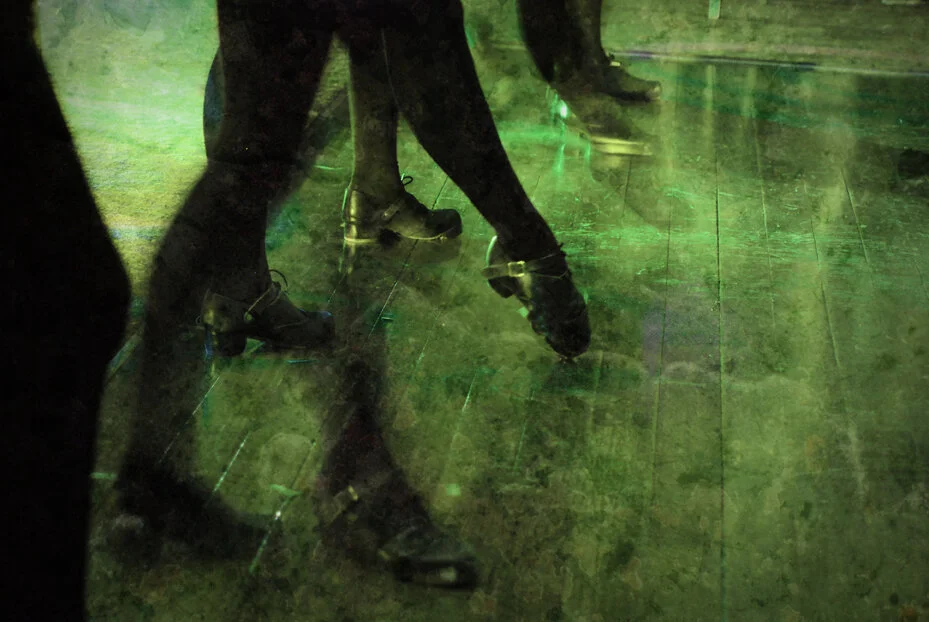
Irish dancing calls for special shoes: pumps or light shoes for the reels and heavy patent or leather shoes with metal tips for the jigs, hornpipes and set dances. Every treble step, kick, and click has to be heard like a cannon shot. The shoes are mostly hand-made using traditional methods and tools and, like the costumes, the cost can be substantial.
Popular Solo Dances
Reels (light shoes)
Single Jig (light shoes)
Treble Jig (heavy shoes)
Hornpipe (heavy shoes)
Slip Jig (light shoes)
Set Dance (mostly heavy shoes)
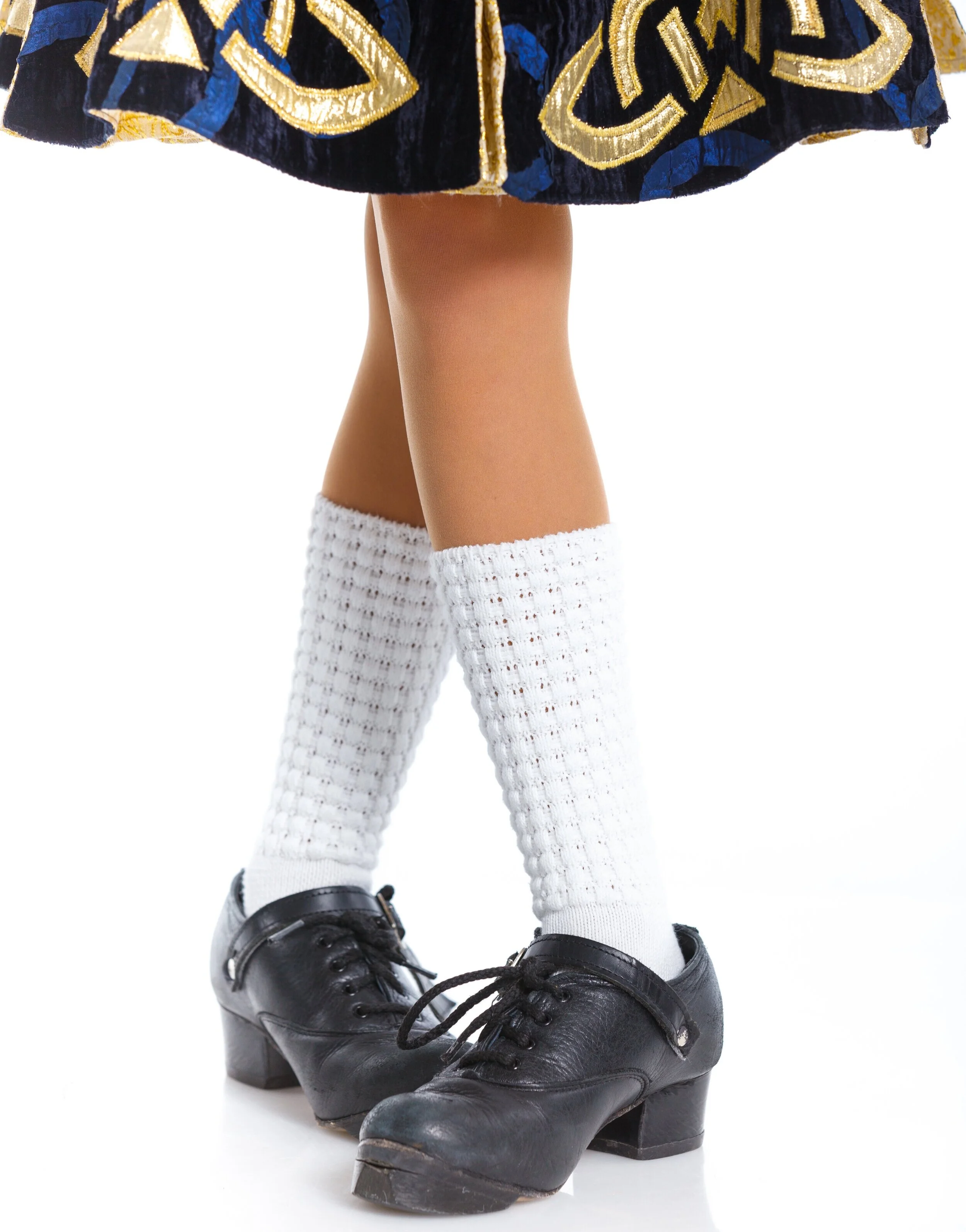
Examples of solo set dances
Planxty Drury, Madame Bonaparte, The Three Sea Captains, Jocky to the Fair, and Barney Brallaghan.
The Fairy Ring Is a real favorite among the ‘weans’ (Irish term for children, derived from the term ‘we ones’ or we-uns’ usually pronounced ‘wains’ where we come from).

The Stance
The traditional stance of the dancer is a straight back, head held high, arms rigid by the sides (known as ‘carriage’). Less traditional variations have added drama with gymnastic moves and expressive arms. Traditional or modern though, the height of the jumps, the blur of the feet and the drumbeat of the taps make the difference between good and great.
Costumes
Dancing costumes are, and always have been, works of art, regardless of color or quality of the fabric. In the past, Irish mothers worked tirelessly to embroider their children’s handmade costumes. Our mother made Celtic dragon designs which were often featured in local Irish newspapers that were sent to the USA, with the request of “where can we get one” coming back across the Atlantic.
Today, the costumes are truly a feast for the eyes and not just in Ireland. The styles of Irish dancers and costume-makers in Philly, Chicago and Boston will compete fiercely on any stage.
And the Hair!
Hairstyles for the dance have evolved too. There was a time when, the night before a performance or a competition, girls had to have the dreaded wringlets put in their hair, sleeping with a head full of long strips torn off an old sheet. Despite their method of manufacture, those wringlets were perfect and lasted for days.
…now, you just pop on a wig and job done.
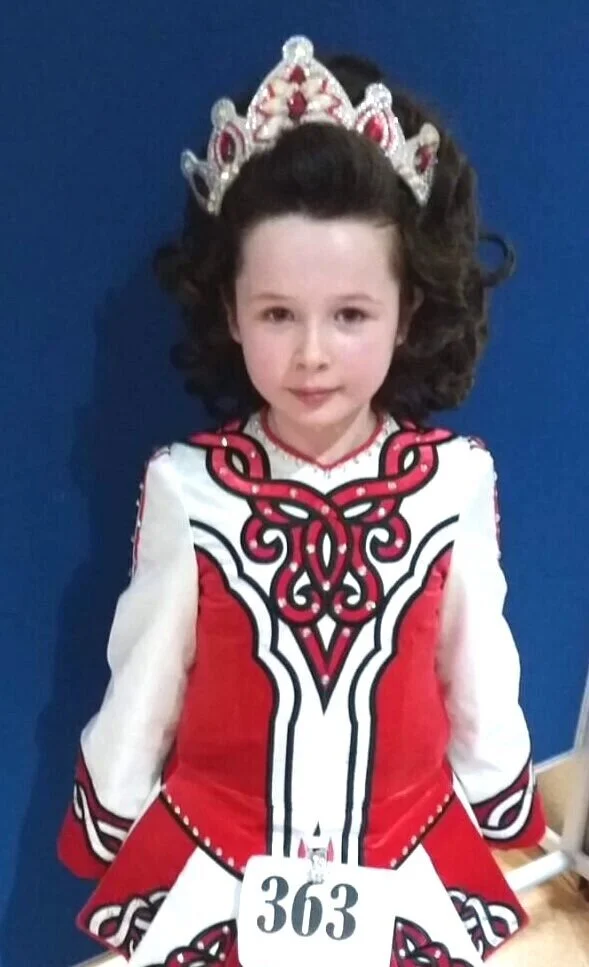
The Feis
The feis (pronounced fesh) is still a highpoint in the calendar of Irish communities. It’s a festival of music and dance with a good deal of craic and the odd cup o’ tea in between.
In the Ireland we grew up in, rural children loved going to the feis which was held in the nearest town. We got to eat fish and chips out of newspaper (funny how they always taste better). And there was always a chance that one of the family or a friend would win that coveted medal and bring home the silverware.
Memories to Treasure
In family treasure boxes across Ireland, you’ll find the ‘Highly Commended’ certificates that kids like us competed for. They are beautifully embellished with a kaleidoscope of Celtic designs and bore the dancer’s name in hand-drawn calligraphy. These certificates meant that you were making progress and on your way up. And it was motivation to try harder next time for a medal.
The Ceili
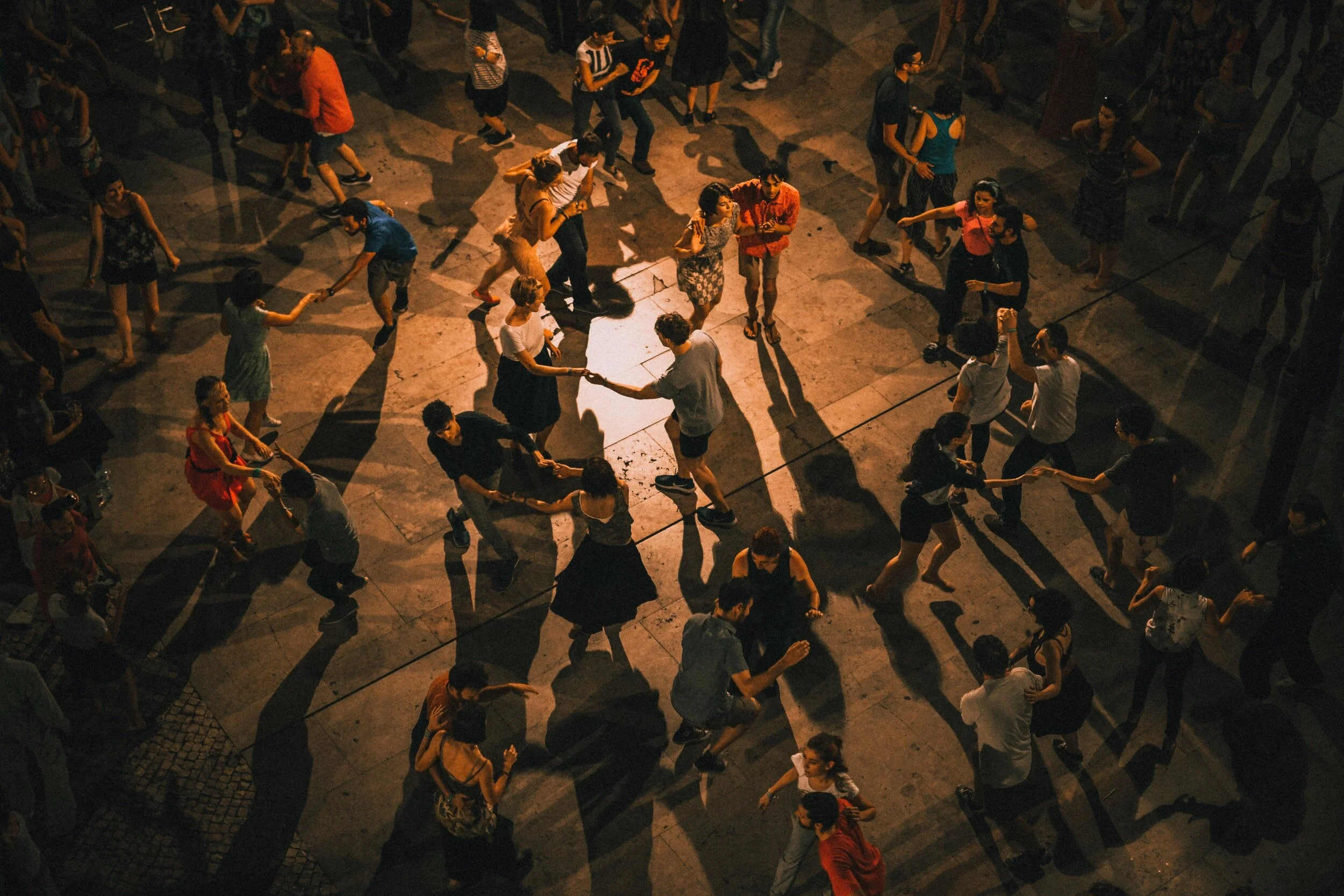
There is a huge social side to Irish dancing. Nothing can beat a good old ceili dance, first performed in homes and parish halls across the country, and designed for couples and matchmaking. The traditional music gets the feet tapping and people weave like rushes on the lough shore, moving in harmony as if they’re responding to some hidden code. The Waves of Tory and The Haymaker’s Jig are easy ones to start off with but you might need a drink or two before trying The Gates of Derry!
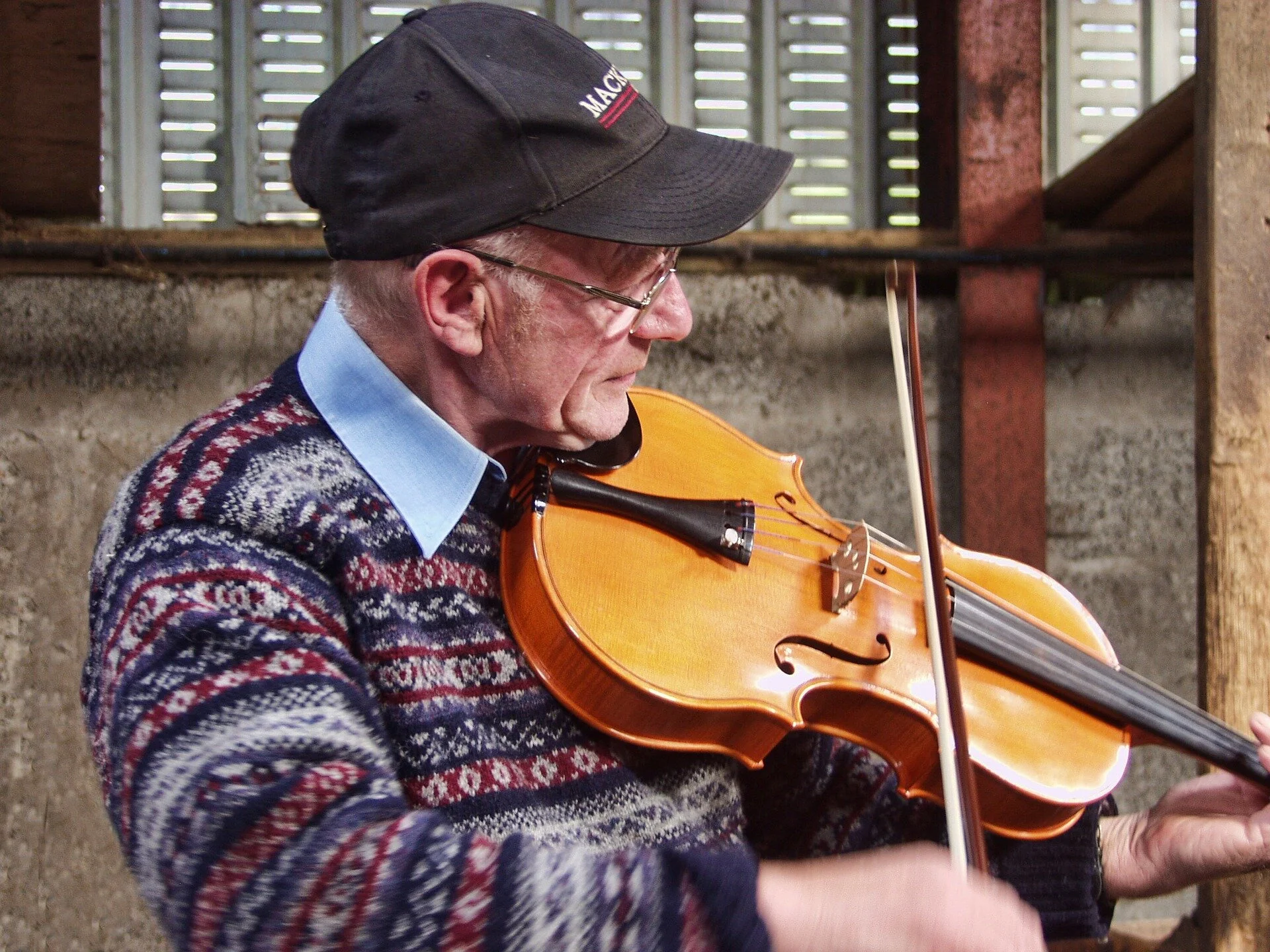
Dancing is the physical expression of Irishness wherever the Irish have settled. The dance is a celebration of skill and dedication but most of all it’s a message to the world:
‘This is us, we’re Irish, we’re proud and we’re here.’
We are delighted to partner with Boyne Walk, Ireland’s premier maker of Irish dancing shoes. They are worn by professionals and dancers of all ages and abilities around the world. And they are available here on Baileo.