
Ewe Know What?
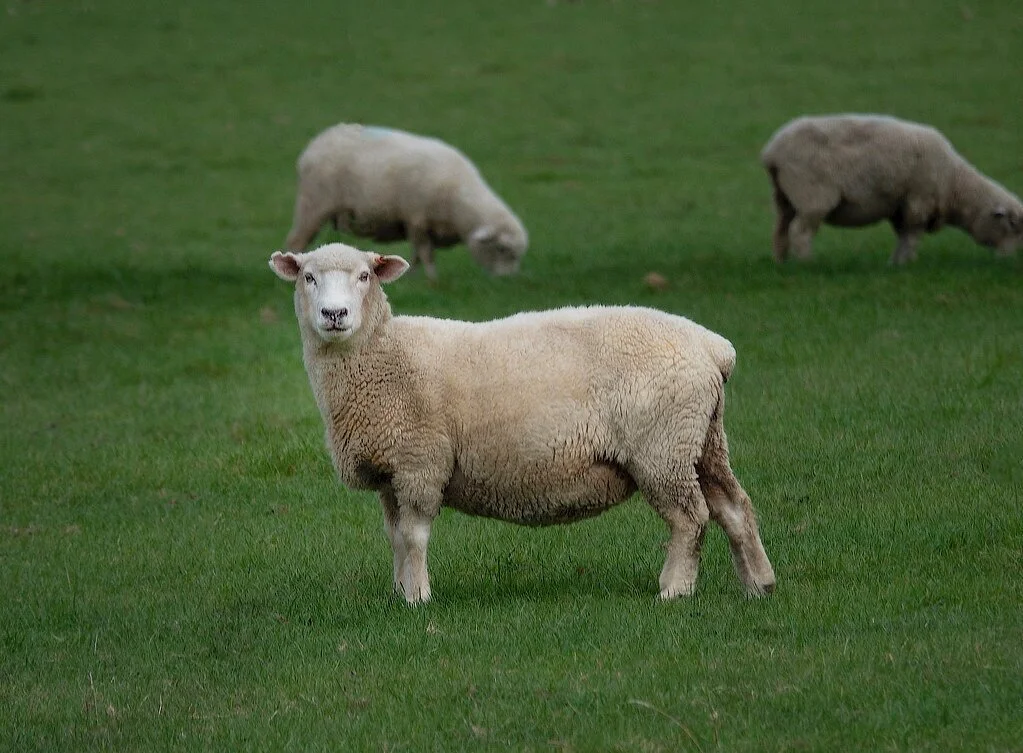
When you see one sheep, you might think you’ve seen them all, but in fact there are many different types and they produce different grades of wool, from coarse wool suitable for carpets to fine wool for knitwear. The two most common types of sheep in Ireland are the black-faced mountain breed and the white-faced Cheviot breed, both imported to Ireland in the 18th century. The vast mountain landscapes make perfect grazing pastures for these gentle creatures and of course, both well able to cope with the cold and rain!
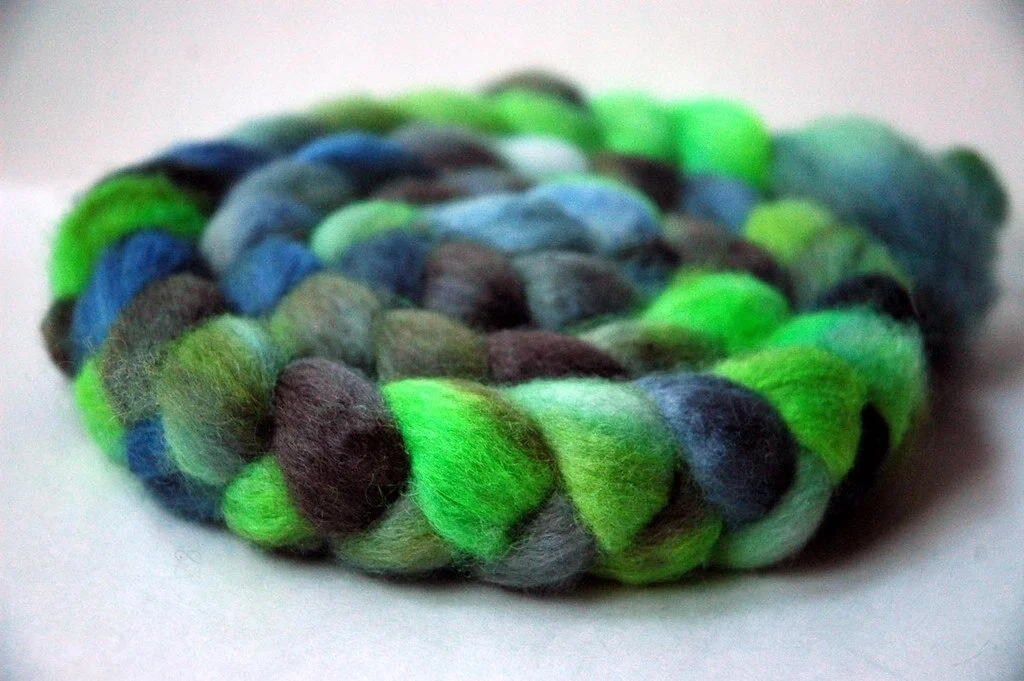
Would you believe, there are now more sheep in Ireland than people, and sheep farming plays a vital role in the livelihoods of many Irish folk, from food to weaving, and the production of beautiful quality wool. Designs hold true to traditional knitting patterns – each stitch type symbolising an aspect of Irishness, but with a modern twist ensuring styles always reflect contemporary fashion.
Aran sweaters were traditionally worn by men, until in 1950, Grace Kelly was photographed wearing one and since then it has become a must-have wardrobe item for women. We have a lovely collection of knitwear and scarves in our shop and we hope you’ll love them as much as we do. Just the thing to keep you warm on chilly days.
Most frequently used Irish wools
1. Lambswool
The best quality lamb’s wool is obtained from the first shearing of the sheep. This is considered the softest and finest wool and it typically comes from lambs less than seven months old. Sheep produce wool depending on their bread, age, and other health factors, just like humans but the yield is about 1 to 13 kilos per year.
2. Merino wool
Merino wool is considered to be the finest and softest of sheep wool and it is named after the breed of sheep. Merino wool is popular among luxury clothing brands. It is very fine wool indeed. Merino sheep originated from Spain, but now most of the Merinos come from Australia (up to 80% we believe).
Merino needs to be processed and the wool needs scouring to get rid of the fatty grease lanolin. Only about half of the initial fleece can be used to produce clothing.
3. Cashmere - I know we’re talking sheep here but there is an exception in the mix!
Cashmere is obtained from the undercoat of the Cashmere goat. Cashmere is an extremely fine material. The fibre is similar to the finest merino. The best cashmere is collected from the neck region and needs to be combed over one to two weeks. One goat usually yields only about 150 grams of cashmere each year, which explains why this material has such a high price. It is usually mixed with other wools.
Although cashmere has resilience similar to sheep’s wool it is more delicate and softer on the skin.
Did ewe know…?
The idea of counting sheep to help you fall asleep is said to be rooted in old Celtic dialects where shepherds repeated numbers in a sing-song voice, often sending their children off to sleep, while watching their sheep at night.
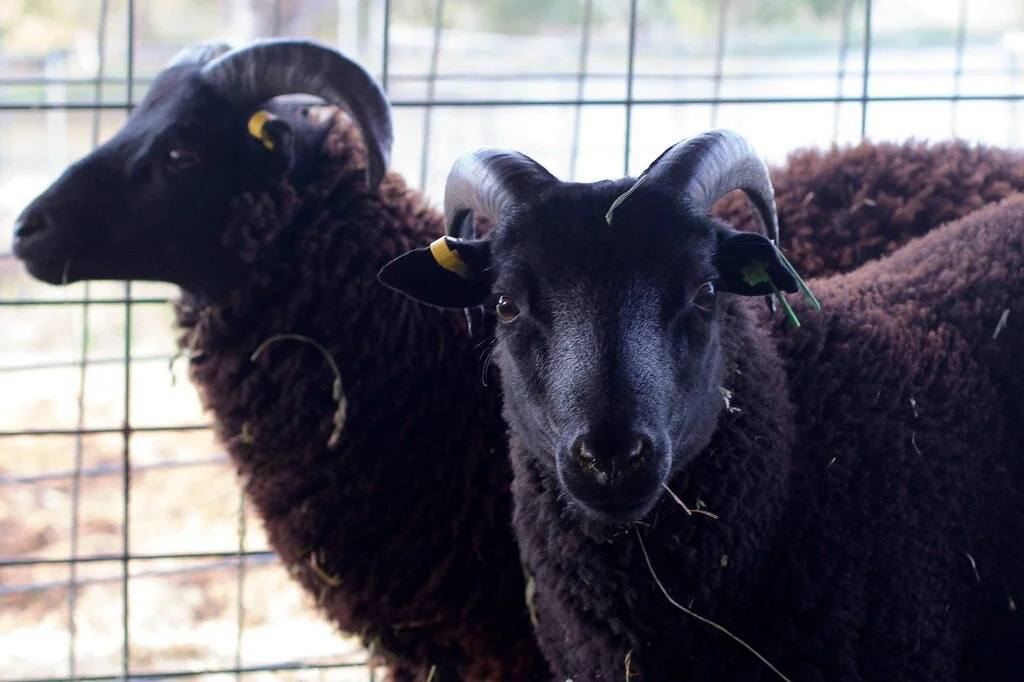
The old English Nursery Rhyme, Baa Baa Black Sheep is said to refer to the importance of wool in the reign of Edward 1st. On his return from the Crusades, the king raised taxes in order to pay for his military campaign. Wool of a black sheep was finer and had a higher value. One third of the sale price of each bag of black wool sold went to the king, (the master), one third to the church (the dame) and one third to the farmer.
There is an old folk tale that on Christmas Eve, out of sight of humans, all sheep face East and bow their heads three times in thanks for the birth of Jesus. For this they are rewarded with the gift of speech from midnight to sunrise. It is said they foretell events to come in the new year.