St Patrick
The real man behind the myth
We all know what St Patrick’s Day means right? Green clothes, green rivers, green beer and a green-faced hangover on the morning of 18th. Behind the parades and celebrations on 17th March, there is a good deal of history mixed with a fair amount of myth and legend.
Fast facts…
St Patrick was not Irish - he had Roman parents and lived in Wales
St Padraig — St Patrick was born Maewyn Succat
Age 16, he was captured and enslaved by Irish pirates
He wore blue not green
According to ‘experts’ there were never any snakes in Ireland
St Patrick is also the patron Saint of Nigeria
He used the 3 leaves of the Shamrock to explain the Holy Trinity
One of the world’s most famous Saints isn’t actually a Saint - at least he was never canonized
St. Patrick was Irish – sure everyone knows that
Wrong. St. Patrick was born in Wales around 385 AD to Roman parents, Calpurnius and Conchessa. At least he was part Celtic and any how we’ve adopted him now so he’s ours!
Is it St Padraig or St Patrick?
Padraig is the Irish spelling of Patrick but actually neither one was his name at birth. His given name was Maewyn Succat which has a nice kind of Welshy, Romany feel to it. He adopted his new name, Patrick or Padraig, after Patricius which comes from the Latin word for father.
He first came to Ireland as a slave
Long before Blackbeard or Cap’n Jack Sparrow, Ireland was a heathen hotbed of marauding pirates. At sixteen years old, Maewyn Succat was kidnapped by a pirate-raiding party, sold into slavery in Ireland and worked the land for six years as a shepherd. Somehow, and legend has it, he had a dream that showed his escape route. He escaped to a monastery in England, became a devout Christian and was ordained a Bishop. His second trip to Ireland was a happier one as a missionary.
Patrick’s Mission
Ireland was pagan at this time and Patrick set out to convert the whole country; some might say an ambitious plan for a wee Welsh man. Loeghaire, the pagan king of pagan Ireland, was not keen on this idea. He put a contract out on St Patrick but Patrick persisted and eventually the king converted and was baptized by Patrick. Bit by bit, the people of Ireland followed suit.

Sounds simple put like that, but with no transport, TV, internet advertising budget or campaign manager, that was quite an achievement.
St. Patrick wore green robes.
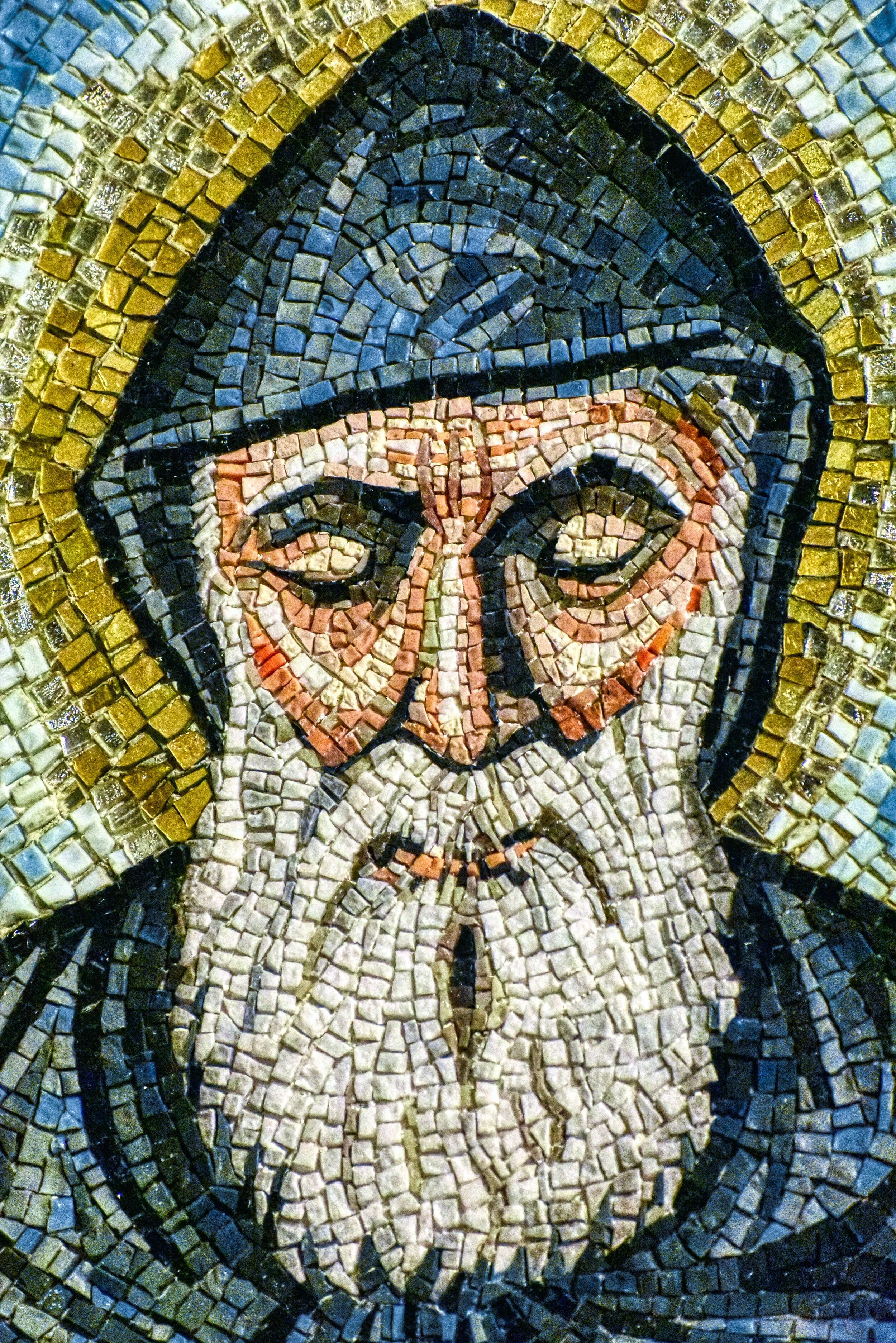
Actually, No! There is plenty of surviving artwork showing the Saint himself and they almost all show him wearing blue. It was much later around the 17th century that green emerged as a national color for Ireland.
About those snakes
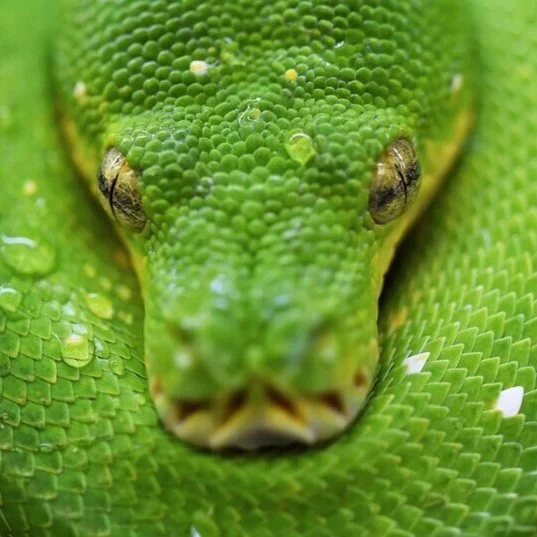
It is said that St Patrick banished snakes from Ireland. There are at least two sides to every story about why there are no snakes in Ireland.
Experts, as always, have differing views which begs the question, ‘why do we call them experts?’ Some say Ireland is too cold for snakes and others say the topography is all wrong. So, how come Wales and Scotland, with a similar topography and climate, has adders? Others say there was never a land bridge for snakes to cross, so how did the rest of the wildlife get here?
The most likely explanation (not one that we necessarily subscribe to) is that the snakes were symbolic of evil and were overcome by the strength of St Patrick’s faith.
The Shamrock
Legend has it that St. Patrick, clearly a resourceful man, used the plentiful shamrock to explain the Holy Trinity with each separate leaf representing the Father, Son and Holy Spirit but remaining part of a single whole.
There is a lack of hard evidence as to the truth of this story, or if there is a direct link between his preaching and the emergence of the shamrock as a national symbol.
The Shamrock has become a symbol of Ireland so what’s the difference between a shamrock and clover?. A clover must have three leaves to be considered a shamrock. If the clover has more or less, then it is not a shamrock. So, all shamrocks are clovers, but not all clovers are shamrocks.
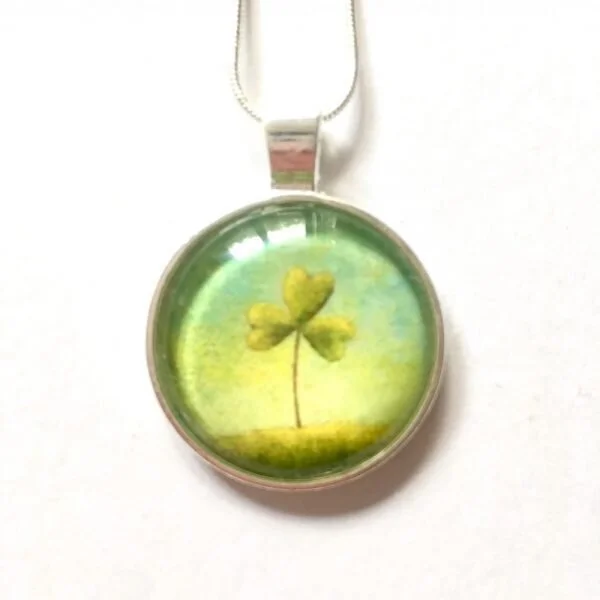
Our featured artist, jewelry designer Amélie Gagné has crafted a lovely tribute to St Patrick in the form of a shamrock pendant. Wear it with pride whatever the month.
St Patrick’s legacy
Patrick became known as the ‘Apostle of Ireland.’ He founded many churches across the nation, the first one probably at Saul, in Co Down near Belfast in Northern Ireland. But his reach went way beyond Ireland’s shores.
In his bestselling non-fiction book How The Irish Saved Civilization: The Untold Story of Ireland's Heroic Role from the Fall of Rome to the Rise of Medieval Europe, Thomas Cahill claims that St Patrick was directly responsible for the survival of civilization as we know it.
Is Patrick a Catholic or a Protestant Saint?
St Patrick was around 1,000 years before the Protestant Reformation. He is respected by both religions as the man who brought Christianity to Ireland and as the Patron Saint of all Irish Christians.
In fact, St. Patrick has never actually been canonized by the Roman Catholic Church or indeed any other Christian Church. Patrick himself claimed he was a sinner not a Saint but in the eyes of the Irish people he’s not just any Saint – he’s our Saint.
Call him what you will, he was quite a guy
Maewyn Succat, St Padraig, St Patrick. The true story is even more amazing than the myths and legends. Before you head off to the next celebration parade, spare a thought for this simple man who moved mountains and greatly influenced the Ireland we know today.